Technology Overview
OilWATCH oil pollution detection technology integrates Long-Wave Infrared Polarimetric Imaging with deep learning recognition. By combining a UAV aerial platform, intelligent image analysis, and real-time data transmission, the system establishes an oil pollution monitoring capability for marine areas, harbors, and nearshore waters.
The system can support rapid inspection, pollution hotspot interpretation, and quantitative analysis of oil pollution extent, improving real-time monitoring and response capability for marine oil pollution incidents. It also helps address the limitations of satellite and radar remote sensing for small-scale oil slick detection, complex nearshore environments, and low signal-to-noise conditions, strengthening spatial resolution and detection performance for marine pollution monitoring.
System Architecture and Applications
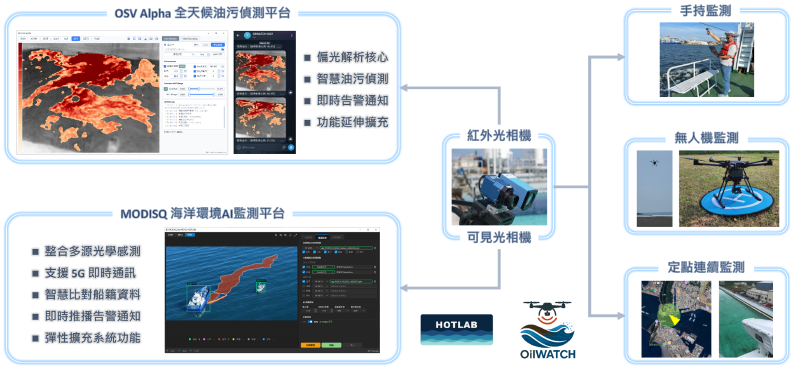
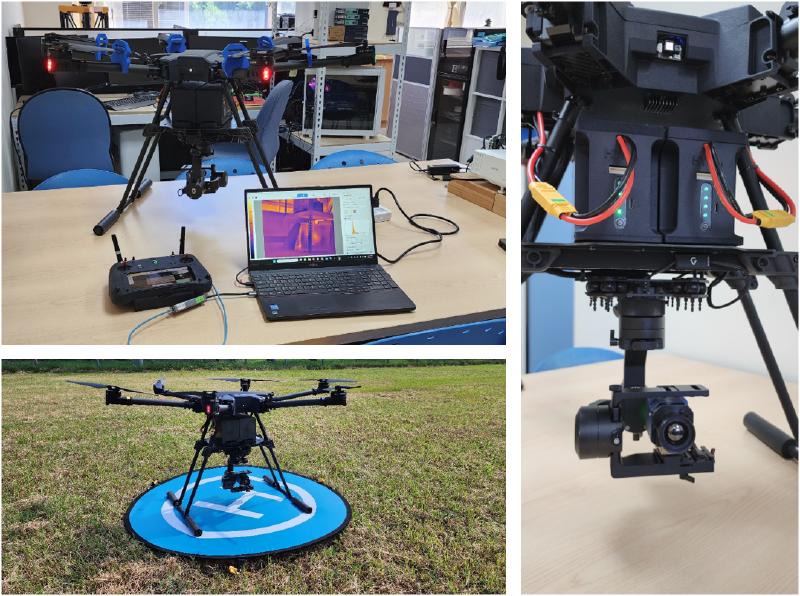
The OilWATCH system architecture consists of a UAV platform, a long-wave infrared polarimetric imaging sensor module, a real-time data transmission system, a ground monitoring station, and a backend intelligent analysis platform. Through modular and scalable design, the system can be flexibly configured for harbor inspection, aquatic environmental monitoring, emergency pollution response, marine research surveys, and technology validation.
In addition to real-time image monitoring and automatic oil pollution recognition, the system can integrate geographic information systems, mission management platforms, and historical databases to provide comprehensive oil pollution monitoring and decision-support functions.
Dapeng Bay Flight and Telemetry Test
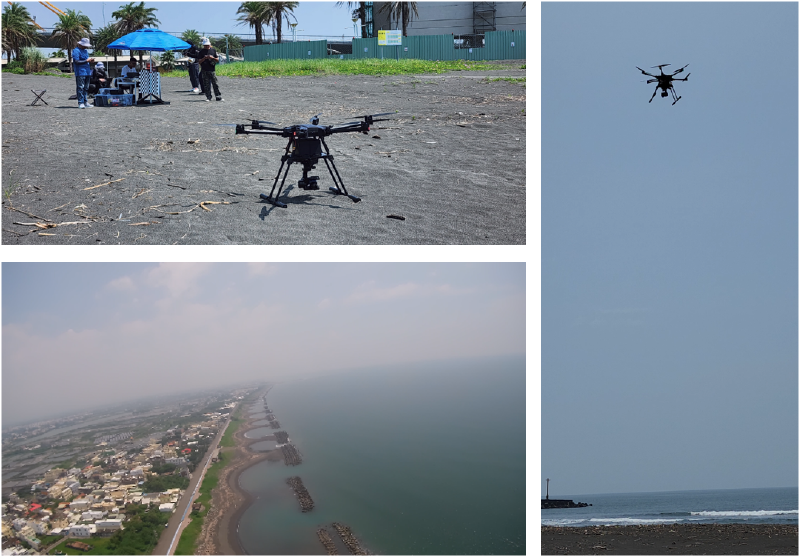
To validate the operational capability of a UAV system equipped with a long-wave infrared polarimetric camera in real marine environments, flight validation and wireless data transmission tests were conducted at Dapeng Bay. The tests covered autonomous route planning and execution, flight stability validation, image data acquisition, real-time data return, and ground station monitoring.
Through field testing, the system’s operational stability, communication reliability, and mission execution efficiency in marine environments can be evaluated, while establishing standard operating procedures and a deployment basis for oil pollution inspection and monitoring missions.
Day and Night Oil Detection Experiment
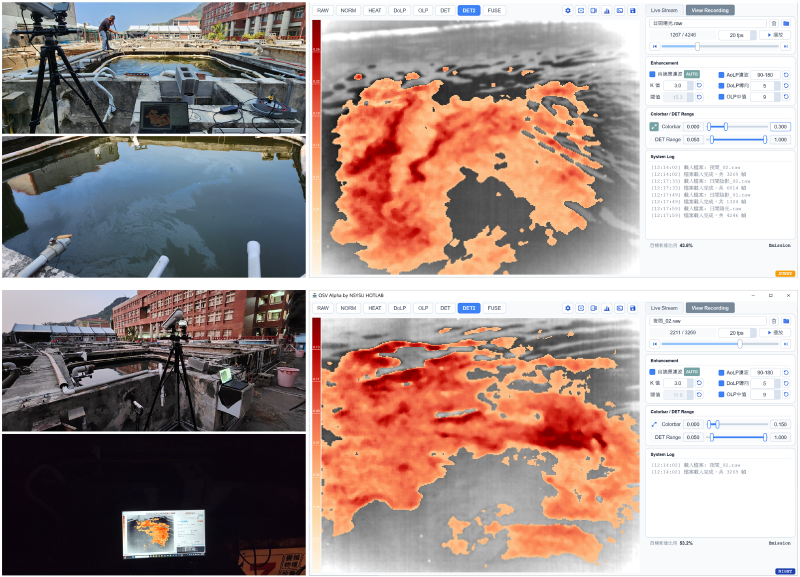
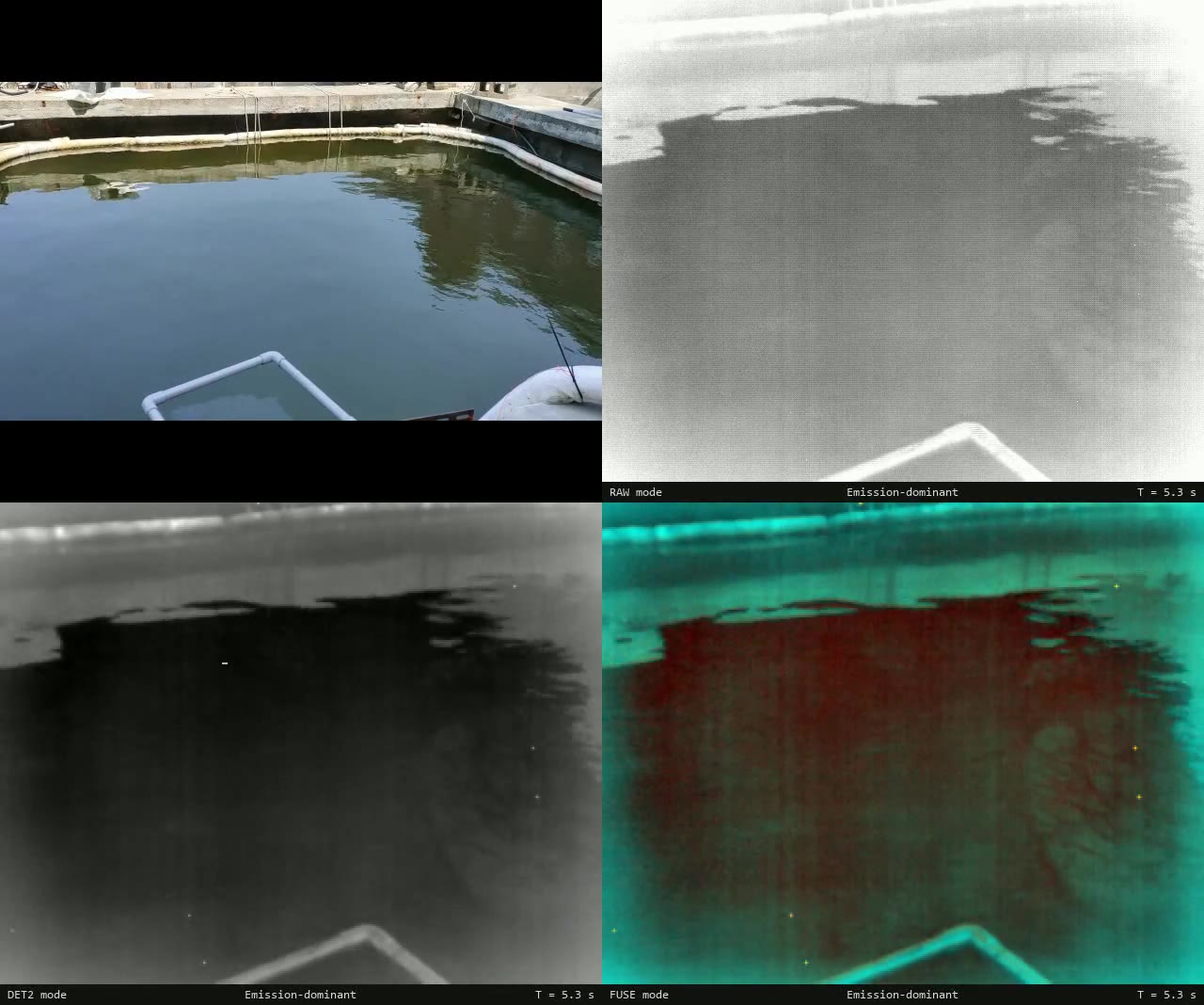
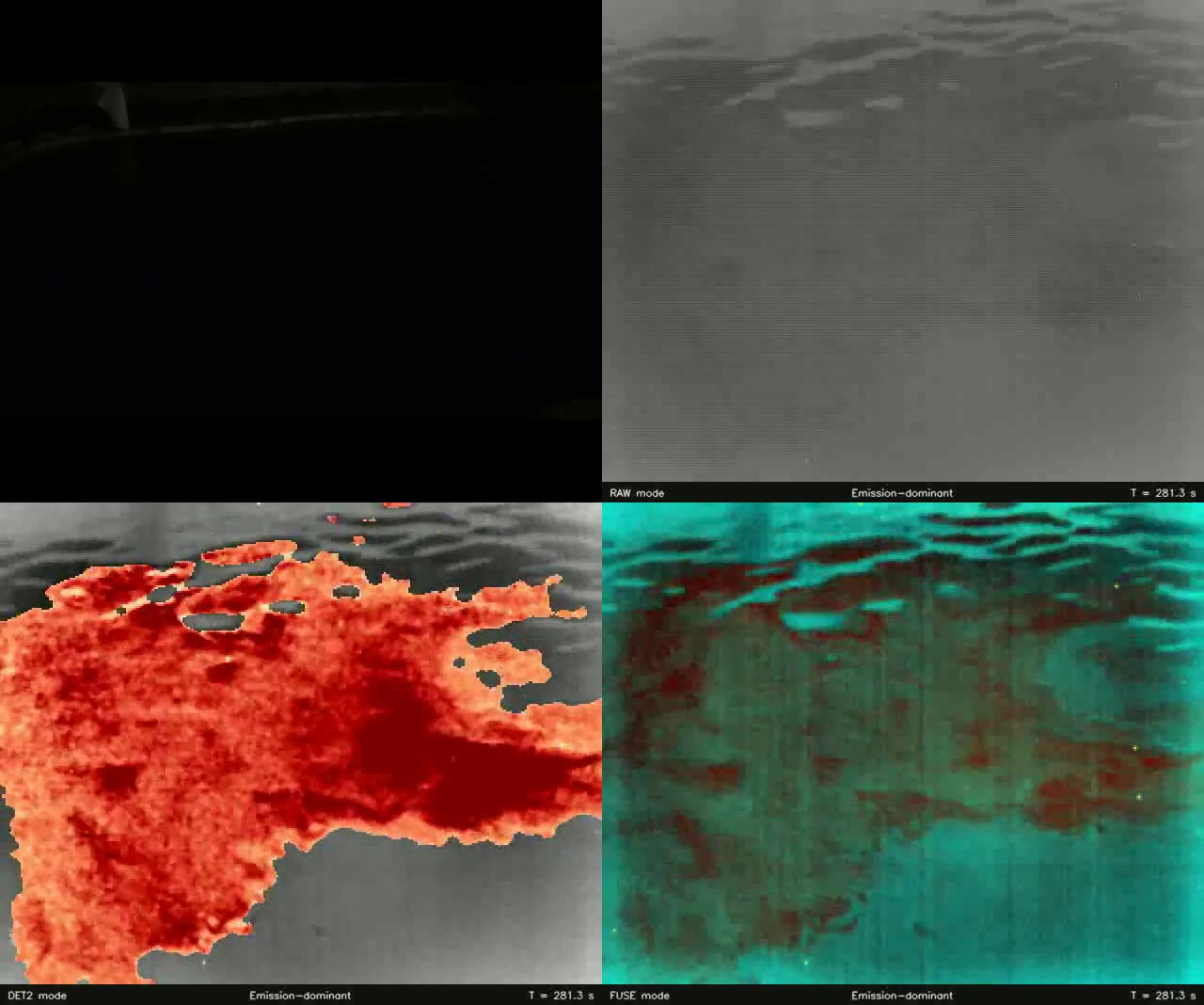
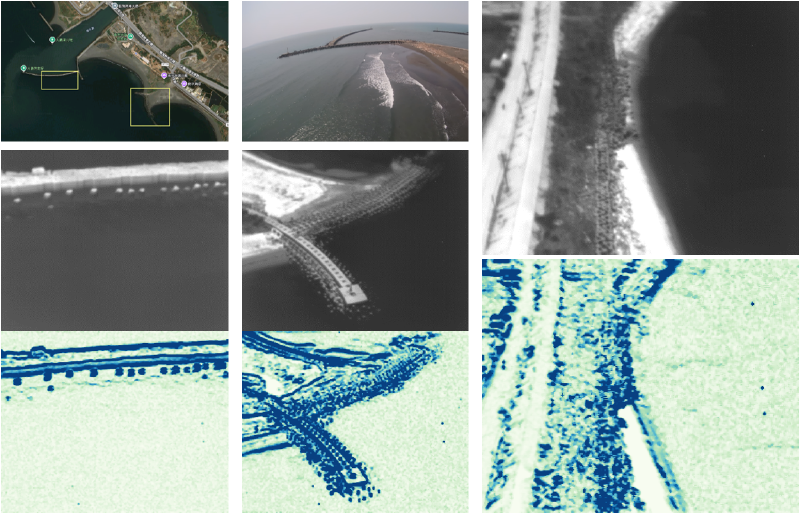
OilWATCH provides daytime and nighttime oil pollution detection capability. Long-wave infrared polarimetric imaging can effectively enhance the contrast between oil films and the seawater background. Results show that the system can maintain stable oil pollution recognition capability during daytime, nighttime, and low-light conditions, demonstrating application potential for pollution incident response, nighttime inspection, and all-weather marine environmental monitoring.